Source Double Wall Handmade Coffee Mug for Office, Home, and Retail
Find and compare 30 Double Wall Handmade Coffee Mug options from Hebei, China. These high borosilicate glass cups feature clear or colored designs, customizable logos, and various packing methods for wholesale sourcing.
Key considerations
Products List


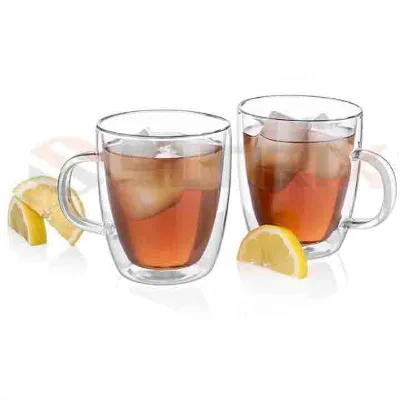
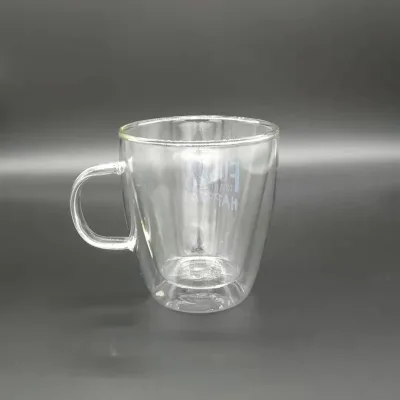


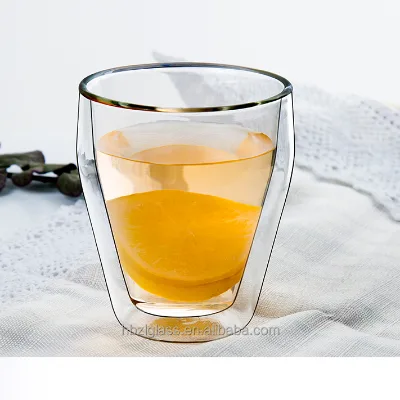


Comprehensive Sourcing Guide
Double Wall Handmade Coffee Mug Sourcing Guide
Sourcing double wall handmade coffee mugs requires a nuanced understanding of both the aesthetic appeal and the functional engineering behind these vessels. These products are distinct from standard single-wall ceramics or simple glassware due to their unique construction, which involves sealing two layers of glass together to create an insulating air gap. This design allows the exterior to remain cool to the touch while the interior retains heat, making them ideal for serving hot beverages like coffee, tea, and espresso without the need for sleeves or coasters. The "handmade" aspect often refers to the artisanal finishing, such as the attachment of handles or the application of decorative decals, rather than the entire forming process, which typically involves industrial glass blowing or molding. Buyers must distinguish between mass-produced uniform items and those with slight variations that characterize true handcrafted goods, as this distinction impacts quality control expectations and pricing structures.
The procurement landscape for these items is characterized by a high degree of customization and OEM/ODM flexibility. Suppliers frequently offer services to customize logos, colors, and packaging, catering to brands looking to create unique merchandise or private-label products. The observed market signals indicate a wide range of styles, from simple and colorless designs to creative and colored variations, allowing buyers to align the product with specific brand identities. However, the term "handmade" in a B2B context often coexists with industrial production methods, so it is crucial for buyers to clarify the extent of manual labor involved in the final assembly. This guide provides a structured approach to evaluating suppliers, verifying technical specifications, and managing commercial risks associated with importing double wall glassware from international markets, particularly those in regions like Hebei, China, which are known for glass manufacturing.
Product Scope and Observed Listing Signals
The current market for double wall glass coffee mugs exhibits a diverse range of product attributes that buyers must navigate carefully. Observed listings reveal a price range of $0.1 to $8 USD, which suggests significant variation in quality, volume, and customization levels. The minimum order quantity (MOQ) typically ranges from 50 to 3,000 units, indicating that suppliers are willing to accommodate both small trial orders and large-scale commercial purchases. This flexibility is often tied to the customization options available, such as printing OEM logos or accepting customized colors. Buyers should note that lower price points may correspond to simpler designs, such as plain clear glass with minimal decoration, while higher prices may reflect complex shapes, colored glass, or intricate decal decorations. Understanding this correlation is essential for budgeting and setting realistic expectations for product quality.
Product names and descriptions in the market often vary, with terms like "Double Wall Glass Latte Cup," "Glass Cappuccino Cup," and "Straight Handle Glass Coffee Mug" being used interchangeably. This lack of standardization in naming conventions can lead to confusion during the sourcing process. For instance, a product labeled as a "Mini Glass Espresso Mug" might have a different capacity and shape compared to a standard "Coffee & Tea Set" cup. Additionally, the material is consistently identified as high borosilicate glass, which is preferred for its thermal shock resistance and durability. However, buyers should verify if the "handmade" claim applies to the entire vessel or just specific components, such as the handle attachment. The observed use of decal decoration and various shapes, including irregular forms, suggests that aesthetic customization is a key selling point for many suppliers.
Technical Specifications to Verify
Technical verification is critical when sourcing double wall glassware to ensure product performance and safety. The primary material, high borosilicate glass, offers superior heat resistance compared to soda-lime glass, but buyers must confirm the thickness of both the inner and outer walls. Thinner walls may provide a more delicate aesthetic but could compromise durability, while thicker walls enhance insulation but may add unnecessary weight. The sealing process between the two glass layers is another vital technical aspect; any imperfections in the seal can lead to moisture ingress, causing fogging or mold growth inside the double wall. Buyers should request detailed specifications regarding the sealing method and ask for evidence of thermal shock testing to ensure the mugs can withstand rapid temperature changes without cracking.
Capacity and dimensions are also key technical factors that vary across different models. Observed specifications include capacities such as 10 oz, with standard packing dimensions like 12x12x12 cm or 15x15x25 cm. These dimensions are crucial for calculating shipping costs and storage requirements. Buyers should verify the actual internal volume against the labeled capacity, as manufacturing tolerances can lead to discrepancies. Additionally, the type of handle, whether it is a straight handle or a creative design, should be evaluated for ergonomic comfort and structural integrity. The handle attachment point is a common stress area, so buyers should inspect samples for smooth transitions and secure bonding. Understanding these technical details helps in selecting the right product for the intended use case, whether it is for home goods, office use, or commercial hospitality.
Compliance and Safety Documentation
Compliance and safety are paramount when importing food-contact glassware. Buyers must ensure that suppliers provide appropriate documentation to verify that the products meet international safety standards. While specific certifications like FSC were mentioned in background data, they are not directly relevant to glassware safety; instead, buyers should focus on food-grade compliance. This includes verifying that the glass material is free from harmful substances such as lead and cadmium, which can leach into beverages. Suppliers should be able to provide test reports from accredited laboratories confirming that the products comply with regulations such as FDA (USA) or LFGB (Europe) standards for food contact materials. These documents are essential for customs clearance and for maintaining brand reputation in regulated markets.
In addition to material safety, buyers should inquire about the manufacturing environment and quality control processes. Although specific factory audits are not detailed in the provided facts, reputable suppliers often undergo third-party inspections to ensure consistent quality. Buyers should request information on the supplier's quality management systems and ask for examples of past inspection reports. It is also important to verify that the packaging materials used, such as bubble bags and cartons, are safe and do not contaminate the product. The use of sustainable materials in packaging is a growing trend, and buyers interested in eco-friendly branding should confirm if the supplier offers recyclable or biodegradable packaging options. Ensuring compliance with these safety and environmental standards protects the buyer from legal liabilities and enhances consumer trust.
Cost Drivers and Commercial Terms
Several factors influence the cost of double wall handmade coffee mugs, and understanding these drivers is essential for effective negotiation. The primary cost drivers include the complexity of the design, the level of customization, and the order volume. Products with irregular shapes, colored glass, or intricate decal decorations typically command higher prices due to the increased labor and material costs involved. Customization options, such as printing OEM logos or creating custom packaging, also add to the overall cost. Buyers should be aware that lower MOQs may result in higher per-unit prices, while larger orders can leverage economies of scale to reduce costs. Additionally, the choice of packing method, whether it is simple bubble bags or more elaborate box packaging, can impact the final price.
Commercial terms, including payment methods and lead times, are critical components of the procurement process. Buyers should negotiate clear terms regarding payment schedules, such as deposits and balance payments upon shipment. Lead times can vary significantly based on the order size and customization requirements, so it is important to establish realistic timelines with the supplier. The observed packing standards, such as carton boxes with specific dimensions, should be confirmed to ensure they align with the buyer's logistics planning. Buyers should also discuss responsibilities for shipping and insurance, particularly if using Incoterms like FOB or CIF. Clear communication about these commercial terms helps prevent misunderstandings and ensures a smooth transaction process.
Supplier Qualification and Quality Control
Supplier qualification is a crucial step in mitigating risks associated with international sourcing. Buyers should conduct thorough due diligence to assess the supplier's reliability, production capacity, and reputation. This includes verifying the supplier's business license, manufacturing facilities, and export experience. Requesting references from previous clients can provide valuable insights into the supplier's performance and customer service. Additionally, buyers should evaluate the supplier's ability to meet specific quality standards and their responsiveness to inquiries and issues. A qualified supplier should demonstrate a commitment to quality control and have established processes for inspecting products before shipment.
Quality control measures should be implemented throughout the production process to ensure consistency and compliance with specifications. Buyers should consider hiring third-party inspection services to conduct pre-shipment inspections, which can identify defects and ensure that the products meet agreed-upon standards. These inspections should cover visual appearance, dimensional accuracy, and functional testing, such as thermal shock resistance. Buyers should also establish clear acceptance criteria and communicate them to the supplier before production begins. In the event of quality issues, having a defined process for handling returns or replacements is essential. By prioritizing supplier qualification and rigorous quality control, buyers can minimize the risk of receiving substandard products and maintain high customer satisfaction.
Long-Term Procurement Checks
Long-term procurement success depends on establishing a sustainable and adaptable supply chain. Buyers should regularly review supplier performance metrics, such as on-time delivery rates, product quality consistency, and responsiveness to issues. Continuous monitoring helps identify potential problems early and allows for proactive management of the relationship. Additionally, buyers should stay informed about market trends and technological advancements in glassware manufacturing to ensure they remain competitive. This includes exploring new design options, materials, or customization techniques that can enhance product appeal. Building a strong relationship with the supplier can lead to better pricing, priority production, and collaborative innovation.
Furthermore, buyers should consider the environmental impact of their procurement decisions and explore opportunities for sustainability. This may involve sourcing suppliers who use eco-friendly materials or manufacturing processes, or implementing recycling programs for packaging waste. By aligning procurement practices with sustainability goals, buyers can enhance their brand image and meet the growing consumer demand for responsible products. Regularly updating procurement strategies and staying engaged with the supplier network ensures that the buyer remains agile and responsive to changing market conditions. Long-term checks and continuous improvement efforts are key to maintaining a resilient and successful sourcing operation for double wall handmade coffee mugs.
FAQs
What material is used for these double wall coffee mugs?
The mugs are made from high borosilicate glass, which provides durability and heat resistance. This material is suitable for various beverages including coffee, tea, and water, ensuring a safe and sustainable drinking experience for daily use.
Can I customize the logo on the double wall glass mugs?
Yes, custom logo printing is acceptable for these products. Suppliers support OEM and ODM services, allowing buyers to apply their own branding. This customization option is available for both clear and colored glass variants to meet specific brand identity requirements.
What are the available sizes for these glass coffee cups?
The product line includes various dimensions such as 10x10x15cm, 12x12x12cm, and 15x15x25cm. Specific models like ZZX260 and ZZX075 offer distinct capacities and shapes. Buyers should verify the exact model number to match their required volume and design preferences.
How is the double wall glass mug packaged for shipping?
Standard packaging includes a bubble bag, box, and carton to protect the fragile glass during transit. Custom packaging options are also acceptable for buyers who require specific branding or protective measures. This ensures the products arrive in good condition for retail or wholesale distribution.
What is the minimum order quantity for these mugs?
The observed minimum order quantity ranges from 50 to 3000 units depending on the specific supplier and product configuration. Buyers should confirm the exact MOQ with the supplier, as it may vary based on customization requirements and shipping destinations.
Where are these double wall glass mugs manufactured?
The products originate from Hebei, China. This location is a known hub for glassware manufacturing, offering competitive pricing and established production capabilities. Buyers can expect standard export procedures and documentation from suppliers in this region.
What styles are available for the double wall coffee mugs?
Available styles include simple, creative, and sports designs. The mugs come in clear, colored, and multiple color options. Some models feature irregular shapes or specific handles, catering to different aesthetic preferences and functional needs for home or office use.